

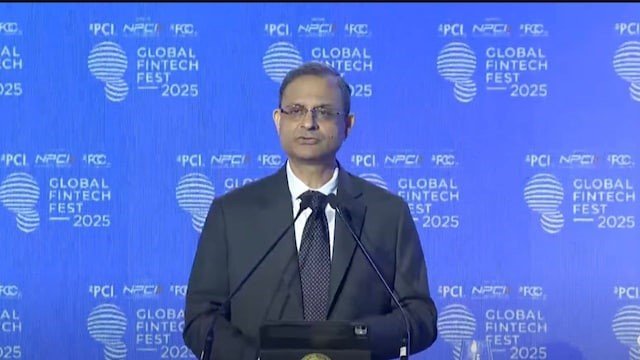
Global Fintech Fest (GFF) 2025 – held from October 7–9, 2025 in Mumbai – showcased India’s fintech prowess. As the world’s largest fintech conference (100,000+ participants), GFF 2025 featured visionary leaders, including global regulators and industry captains. The theme of “Empowering finance for a better world powered by AI” underscored an optimistic focus on inclusive, responsible innovation. Amid this excitement, the Reserve Bank of India (RBI) announced a series of initiatives – in collaboration with the National Payments Corporation of India (NPCI) – aimed at transforming both retail and wholesale financial services.
Key RBI Announcements at GFF 2025
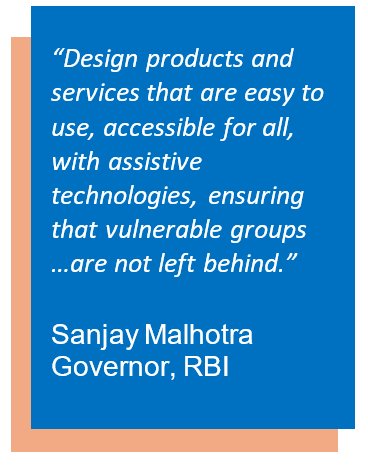
- AI-Powered UPI HELP for Smarter Digital Payments: RBI Governor Sanjay Malhotra unveiled an AI-based UPI HELP support system powered by NPCI’s in-house Small Language Model. This intelligent assistant lets users check transaction status, manage payment mandates, and resolve disputes, while on the backend, it automates banks’ complaint handling with privacy safeguards.
- IoT and Wearable Payments via UPI: In a push toward “ambient payments,” the RBI extended UPI to the Internet of Things (IoT) and wearables. Users can now make real-time payments through connected devices like cars and smart glasses using voice commands or sensor triggers. This initiative aligns with the Digital India vision by integrating fintech into everyday devices. NPCI will provide the secure infrastructure to handle these device-initiated transactions, reinforcing India’s leadership in IoT-integrated finance.
- Banking Connect (Interoperable Net Banking): RBI introduced “Banking Connect,” developed by NPCI’s Bharat BillPay, to bring interoperability to internet banking. This platform lets payment aggregators and merchants integrate with multiple banks through a single connection, simplifying merchant onboarding. For customers, it means the ability to pay merchants directly from their familiar bank’s app interface without juggling different wallets or logins. Banking Connect is set to enhance user experience and promote a more unified digital payments ecosystem.
- UPI Multi-Signatory for Joint Accounts: To streamline business and joint-account transactions, the RBI introduced UPI Multi-Signatory capability (multi-authorizer UPI payments). This feature allows payments that require approval from multiple parties – ideal for corporate, MSME, or family joint accounts. It adds an extra layer of security and transparency by allowing all designated signatories to digitally approve transactions. By eliminating paper-based authorizations and delays, this innovation meets a growing demand for more robust digital solutions in the business sector.
- UPI Reserve Pay – Linking Credit to UPI: This feature ties credit lines to UPI for seamless deferred payments. Users can, for instance, reserve part of their credit limit for recurring expenses (e.g. subscriptions) and let the UPI app auto-deduct those payments without repeated approvals. This enables pre-authorized spending within set limits and reduces checkout friction.
- Biometric UPI Authentication & Onboarding: GFF 2025 also saw new features to make UPI more user-friendly and secure. RBI introduced UPI with on-device biometric authentication, letting users authenticate via fingerprint or face unlock instead of a PIN. Additionally, an Aadhaar-based face recognition feature was launched for setting or resetting UPI PINs without needing debit cards or multiple OTPs. These biometric innovations aim to make digital payments faster yet safer, as each transaction is cryptographically verified by banks to ensure security.
- UPI Cash Withdrawals at Micro-ATMs: In a bid to bridge digital payments with cash needs, RBI, in collaboration with NPCI, announced that UPI can now be used to withdraw cash at participating business correspondent outlets (micro-ATMs). Dubbed “UPI Cash Points,” this feature lets a customer scan a dynamic QR code at a rural banking agent’s device and authorize a cash withdrawal via their UPI app. It complements existing card-swipe or Aadhaar (AePS) withdrawals by adding a simple, QR-based option. This strategic initiative boosts financial inclusion – even in remote areas, people with a UPI app can access cash seamlessly, leveraging the vast digital payments infrastructure for offline needs
- Retail CBDC Sandbox for Fintechs: The RBI also announced a CBDC Retail Sandbox to broaden fintech access to the digital rupee (e₹) pilot. Fintech players can now use a controlled environment to build and test e₹ applications via APIs. “The CBDC retail sandbox will give innovators the space to experiment and build on top of the digital rupee,” Malhotra said, which is expected to spur new use cases and enhance ongoing pilots.
- UPI Reserve Pay – Linking Credit to UPI: This feature ties credit lines to UPI for seamless deferred payments. Users can, for instance, reserve part of their credit limit for recurring expenses (e.g. subscriptions) and let the UPI app auto-deduct those payments without repeated approvals. This enables pre-authorized spending within set limits and reduces checkout friction.
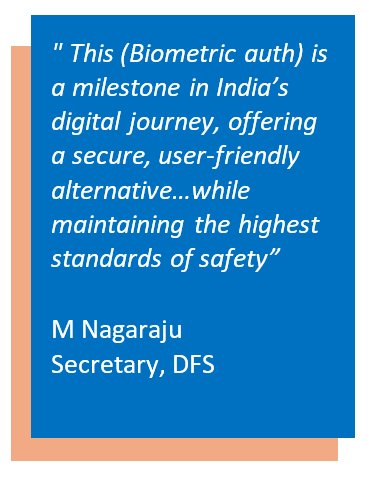
- Biometric UPI Authentication & Onboarding: GFF 2025 also saw new features to make UPI more user-friendly and secure. RBI introduced UPI with on-device biometric authentication, letting users authenticate via fingerprint or face unlock instead of a PIN. Additionally, an Aadhaar-based face recognition feature was launched for setting or resetting UPI PINs without needing debit cards or multiple OTPs. These biometric innovations aim to make digital payments faster yet safer, as each transaction is cryptographically verified by banks to ensure security.
- UPI Cash Withdrawals at Micro-ATMs: In a bid to bridge digital payments with cash needs, RBI, in collaboration with NPCI, announced that UPI can now be used to withdraw cash at participating business correspondent outlets (micro-ATMs). Dubbed “UPI Cash Points,” this feature lets a customer scan a dynamic QR code at a rural banking agent’s device and authorize a cash withdrawal via their UPI app. It complements existing card-swipe or Aadhaar (AePS) withdrawals by adding a simple, QR-based option. This strategic initiative boosts financial inclusion – even in remote areas, people with a UPI app can access cash seamlessly, leveraging the vast digital payments infrastructure for offline needs
- Retail CBDC Sandbox for Fintechs: The RBI also announced a CBDC Retail Sandbox to broaden fintech access to the digital rupee (e₹) pilot. Fintech players can now use a controlled environment to build and test e₹ applications via APIs. “The CBDC retail sandbox will give innovators the space to experiment and build on top of the digital rupee,” Malhotra said, which is expected to spur new use cases and enhance ongoing pilots.

- Unified Markets Interface & Tokenised Assets: On the wholesale side, RBI is developing a Unified Markets Interface (UMI) – a new financial market infrastructure to enable tokenization of financial assets and settlement using wholesale CBDC. At GFF, the RBI launched a pilot for tokenised Certificates of Deposit (CDs) on this platform, where interbank money market instruments are digitized and settled via the wholesale digital rupee. Early results from the pilot have been encouraging, indicating reduced settlement risks and increased efficiency in interbank transactions. This paves the way for broader tokenization of stocks, bonds, and other assets in the future, showcasing RBI’s commitment to modernizing market infrastructure.
Conclusion
With these announcements, GFF 2025 highlighted India’s dual focus on innovation and inclusion in fintech. Overall, GFF 2025 underscored India’s commitment to fintech innovation with inclusion, setting an optimistic tone for the future. Governor Malhotra emphasized that India’s fintech revolution thrives on public-private collaboration: “The synergy between public rails and private innovation is one of the main reasons for India’s digital success”. He also noted that regulators will support innovation without heavy-handed oversight – as seen in RBI’s promotion of self-regulatory organizations to help the industry set its own best practices. Backed by such an enabling ecosystem, India’s fintech sector is poised to scale new heights, leveraging technology responsibly to drive inclusion and growth in the years ahead.
